Alaska’s cold, clean waters produce wild seafood known for its premium flavor, natural texture, and strong sustainability credentials. With salmon, whitefish, shellfish, and crab, Alaska offers a diverse portfolio suited to hospitality, retail, and foodservice operations across the Middle East and Africa.
Raised entirely in the wild, Alaska seafood is free from antibiotics, artificial additives, and controlled farming. Its purity reflects the pristine environment it comes from.
Sustainability is written into Alaska’s state constitution. All fisheries are managed with strict scientific oversight, ensuring long-term resource health and reliable supply.
Alaska’s fishing communities have relied on responsible harvesting for decades. Their commitment to stewardship protects both cultural heritage and the future generations.
From fine dining to large-scale catering, Alaska seafood performs well across cuisines and cooking methods, offering consistency, adaptability, and menu flexibility.
With five species of wild salmon, a wide range of whitefish, and numerous shellfish species, Alaska provides versatile seafood suitable for regional tastes and professional kitchen demands. Each species offers unique characteristics that work across grilling, roasting, frying, and raw preparations
Alaska’s seafood harvests follow seasonal patterns driven by species’ natural life cycles and the rhythms of Alaska’s cold northern waters. Wild salmon return to spawn from May through September (with limited seasonal exceptions), while whitefish and shellfish species are landed at different times depending on fishery regulations and quotas.
Immediately after harvest, most Alaska seafood is flash-frozen at sea or onshore, locking in freshness, flavor, and texture. As a result, high-quality wild Alaska seafood is available year-round, whether fresh in season, or frozen for consistent supply, making it reliable for menus, retail, and foodservice programs worldwide.
The Alaska Seafood Marketing Institute supports trade partners globally by promoting quality, sustainability, and traceable wild harvests. We help buyers, chefs, and distributors understand Alaska seafood and connect with Alaska exporters when needed.
Also known as Chinook, wild Alaska king salmon is prized for its color, high oil content, firm texture and succulent flesh. Its luxurious mouth feel makes it ideal for premium grilling, roasting, and signature dishes.
Having trouble viewing the video? Watch it in Youtube
Pink salmon has mild flavor, tender texture, and pale rosy flesh. Its lean profile suits light dishes, salads, bowls, and everyday menu applications across foodservice and retail.
Having trouble viewing the video? Watch it in Youtube
The smallest of the five species of salmon, wild Alaska pink salmon is the #1 most abundant of the five species.
The Alaska pink salmon fishery is certified under two independent certification standards for sustainable fisheries, RFM & MSC.
Wild Alaska pink salmon have a 2-year life cycle making odd-year and even-year populations which do not intermingle.
Salmon canneries have been operating in Alaska since the 1870’s, and their importance to Alaska played a role in the prioritization of sustainability. One could say that in many ways, Alaska was built on the (humped) backs of pink salmon.
Benefits of complete high quality protein include building and maintaining lean body mass, metabolism regulation, improved satiation—leading to lower intake and possible weight loss, and stronger muscles, resulting in greater mobility, strength, and dexterity.
Wild sockeye salmon also provide marine derived omega-3 fatty acids, essential to the human body. DHA and EPA in wild Alaska sockeye salmon are the most studied, beneficial, and readily usable healthy fats for the body.
Benefits of DHA and EPA are improved heart health, improved brain function and they are vital nutrients for growth and development of prenatal babies and infants.
Alaska pink salmon are available fresh from mid-June through September and frozen year-round.

Alaska pink salmon are harvested primarily by gillnetting and purse-seining.
In Alaska, the future of wild pink salmon and the environment are more important than the immediate opportunities for harvest.
As a wild resource, there is variability in the number of salmon that return to freshwater to spawn annually. Managers in Alaska set ‘escapement goals’ using the best science available to ensure enough fish return safely to the freshwater spawning grounds to reproduce. Biologists account for natural fluctuations in returns of salmon by managing the fisheries in-season to ensure the sustainability of Alaska’s wild pink salmon.
This principle of sustainability is written into Alaska’s state constitution. In Alaska, fish are to be ‘utilized, developed, and maintained on the sustainable yield principle,’ ensuring wild pink salmon inhabit Alaska waters for generations to come.
Wild Alaska pink salmon also have cultural significance. Alaska’s coastal communities depend on subsistence salmon fishing to survive. Subsistence has priority before sport, commercial or personal use fishing.
The Alaska pink salmon fishery is certified under two independent certification standards for sustainable fisheries:
Pink salmon have a complex life cycle; swimming from freshwater to the ocean as soon as they are hatched, and spending 18 months in the ocean before returning to freshwater to spawn.
Wild Alaska pink salmon is the smallest, and shortest-lived species of Alaska salmon, typically weighing 3-5 lbs. and living for only 2 years and due to their rapid reproduction, they are also the most numerous species.
Alaska pink salmon is available both fresh and frozen in the following product forms: whole, or dressed whole without the head, in portions, fillets, canned and smoked. Pink salmon is also prized for its roe.
Due to their mild flavor, wild Alaska pink salmon is exceptionally versatile, lending itself well to just about any recipe or preparation method. It is best known however, as the salmon one usually finds in canned salmon.
Find Alaska pink salmon in your local grocer in the frozen section as well as in the fresh case seasonally. Unsure about origin? Just #AskforAlaska.
Purchase directly from sellers using our supplier’s directory.
This rosy-pink tender, delicate and mild fish can be an excellent affordable choice for quick meals and salads, makes an excellent vehicle for sauces and lends itself to baking, broiling, grilling, poaching, sautéing, smoking, sushi/sashimi, roasting, steaming, and canning.
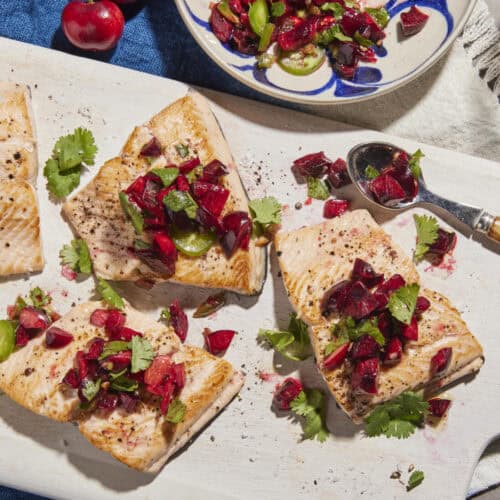
Sockeye salmon is a high-oil content species of salmon known for its rich flavor and distinctive deep red flesh, which retains its color throughout cooking.
Its higher oil content makes it ideal for grilling, roasting, and premium dishes.
Having trouble viewing the video? Watch it in Youtube
With its orange-red flesh, firm texture and delicate flavor, many consider coho salmon the best salmon for grilling.
Having trouble viewing the video? Watch it in Youtube
Keta salmon has mild flavor, firm texture, and attractive pink flesh. Its versatility and value make it ideal for smoking, marinating, roasting, sautéing, and sushi/sashimi.
Having trouble viewing the video? Watch it in Youtube
Alaska Atka mackerel offers a rich yet subtle flavour, supported by naturally high oil content. Available frozen year round, this mild but flavourful whitefish is known for its versatility in the kitchen. Its natural oils help retain moisture during cooking, making it well suited to grilling, broiling, and frying across a range of menu applications.
Wild Alaska herring is a natural source of vitamin B-12, omega-3 fatty acids, and protein. Wild Alaska Pacific herring is well suited to pickling, curing, and smoking. When smoked or cured, the flesh becomes firmer and readily absorbs the flavours used in the process, making it adaptable across a range of traditional and contemporary preparations.
Wild Alaska cod features moist, firm fillets with a distinctive large flake and a slightly sweet flavour. It is naturally high in protein, containing all nine essential amino acids, making it a complete, high-quality protein source. This firm and flaky whitefish is versatile in the kitchen and lends itself to a wide range of preparations, including roasting, poaching, steaming, sautéing, and deep-frying.
Having trouble viewing the video? Watch it in Youtube
Premium quality Alaska surimi seafood is pre-cooked and ready to use in any recipe calling for the flavor of shellfish.
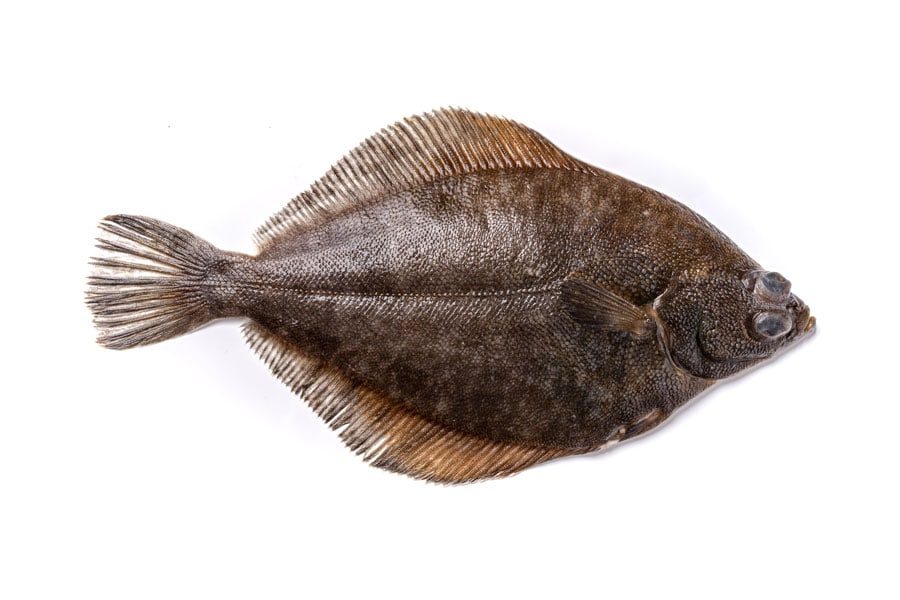
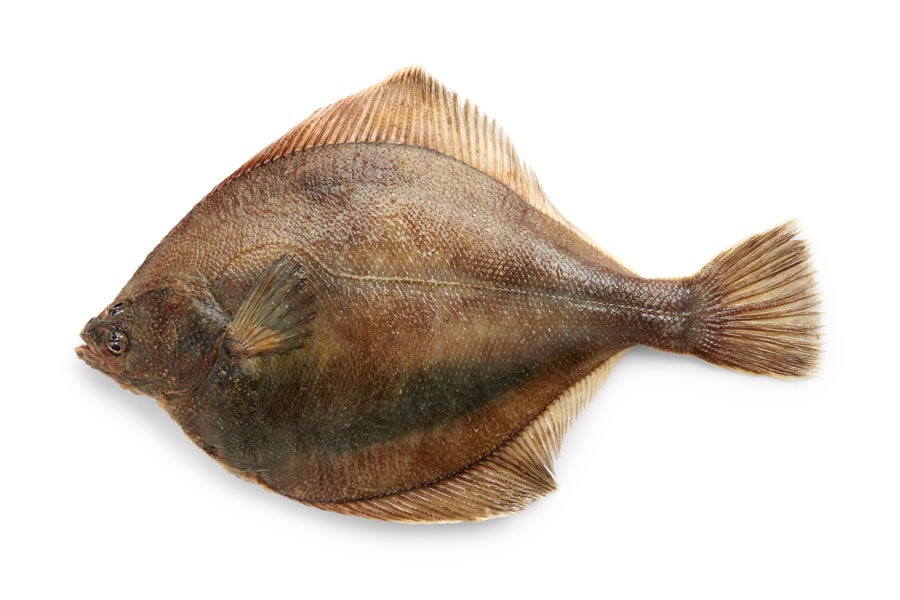
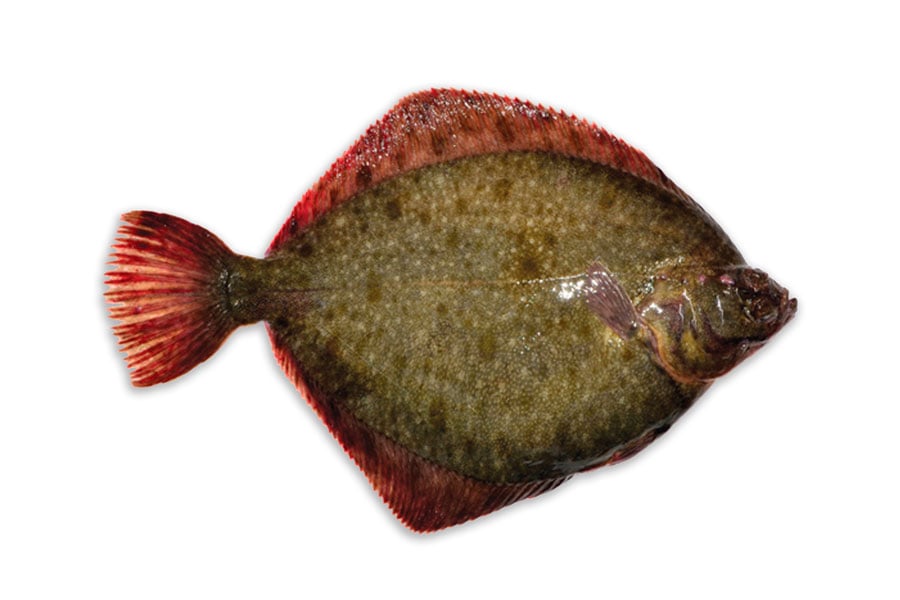
Alaska sole, also known as flounder, has a delicate, mild flavor perfect for poaching, sautéing, or steaming. There are more than 10 species of flatfish which include above-pictured Alaska Flathead Sole, as well as these six species listed below.
Having trouble viewing the video? Watch it in Youtube
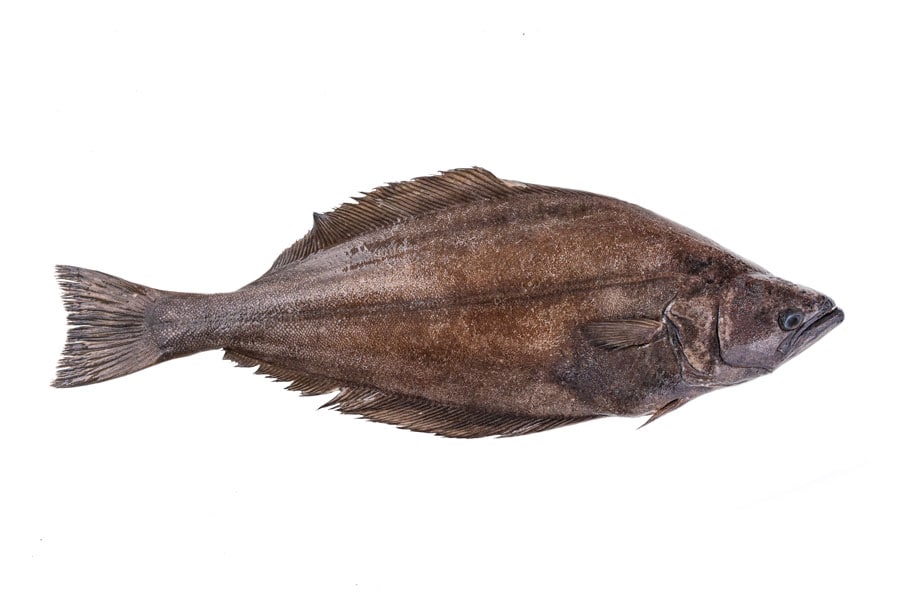
Wild Alaska halibut is recognised for its firm, flaky texture and delicate flavour, and is widely regarded as a premium whitefish. This lean, mild and meaty species is highly versatile, suitable for baking, grilling, searing, sautéing, and steaming. Alaska halibut is available fresh from March through mid-November, with frozen options offered year round.
Having trouble viewing the video? Watch it in Youtube
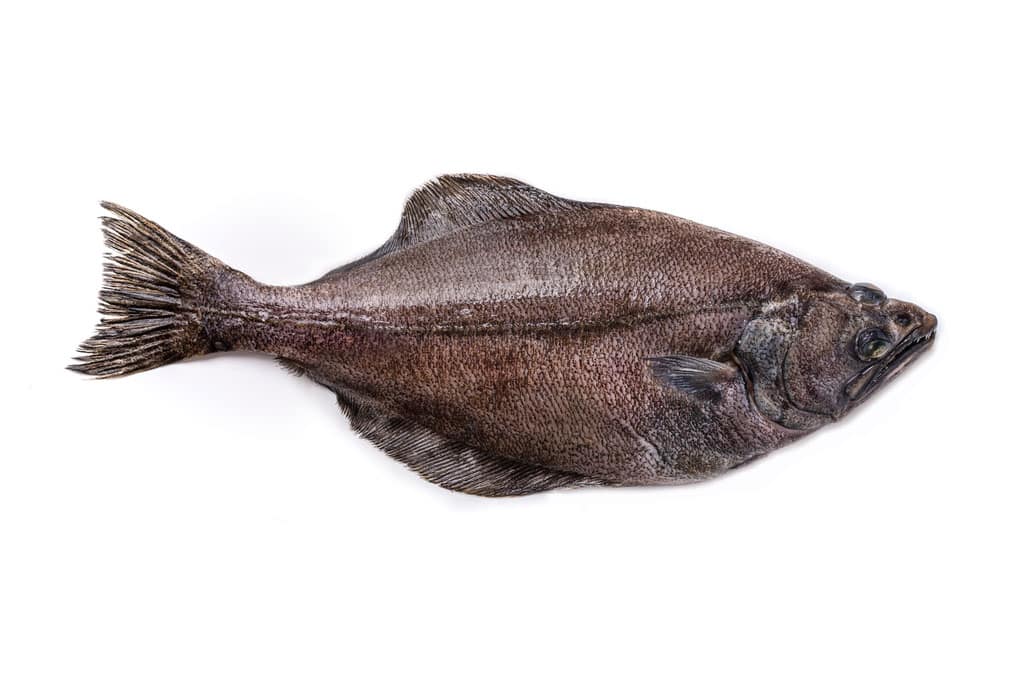
Alaska sablefish, also commonly known as black cod, is prized for its rich melt-in-your-mouth flavor and succulent, velvety texture. Its high oil content makes it ideal for roasting, miso marinades, smoking, and fine-dining applications.
Having trouble viewing the video? Watch it in Youtube
Wild Alaska rockfish performs well across a range of cooking methods, including sautéing, roasting, broiling, and grilling. It pairs effectively with rubs, marinades, and sauces, making it adaptable to a variety of menu styles. Rockfish is harvested primarily from January through November, with different varieties available year-round.
Having trouble viewing the video? Watch it in Youtube
Known for its versatility, Alaska pollock’s snow-white fillet flakes beautifully and offers a lean texture and mild taste. Its versatility and value make it ideal for breaded products, sautés, tacos, and large-scale foodservice.
Having trouble viewing the video? Watch it in Youtube
Weathervane scallops, also known as Alaska scallops, are renowned for their size and are the largest scallops available anywhere in the world. They offer a sweet flavour and melt-in-your-mouth texture, with tender yet firm, buttery meat that is creamy in colour and turns opalescent white when cooked. Their natural qualities lend themselves to elegant presentations, whether grilled, sautéed, or broiled.
Alaska snow crab’s unique delicate flavor, snowy-white meat and tender texture sets a table of simple elegance. Its long, easy-to-crack legs make it popular for buffets, seafood platters, and a wide range of menu formats.
Having trouble viewing the video? Watch it in Youtube
Alaska king crab is the largest and most impressive of all crabs caught in the world and is known for its exceptional flavour and texture. This sweet, firm shellfish offers a rich and luxurious eating experience. Wild Alaska king crab is available live and as fresh legs and claws when in season, as well as in a variety of frozen options year round. It is easy to prepare using simple cooking methods such as boiling, grilling, steaming, or baking.
Having trouble viewing the video? Watch it in Youtube
The largest and most flavorful Dungeness crab comes from Alaska, prized for its sweet flavor and tender, flaky meat.
Dungeness crab offers sweet, mild meat with a tender texture. Its whole and sectioned formats suit salads, pastas, soups, and elevated seafood dishes across foodservice menus.
Having trouble viewing the video? Watch it in Youtube